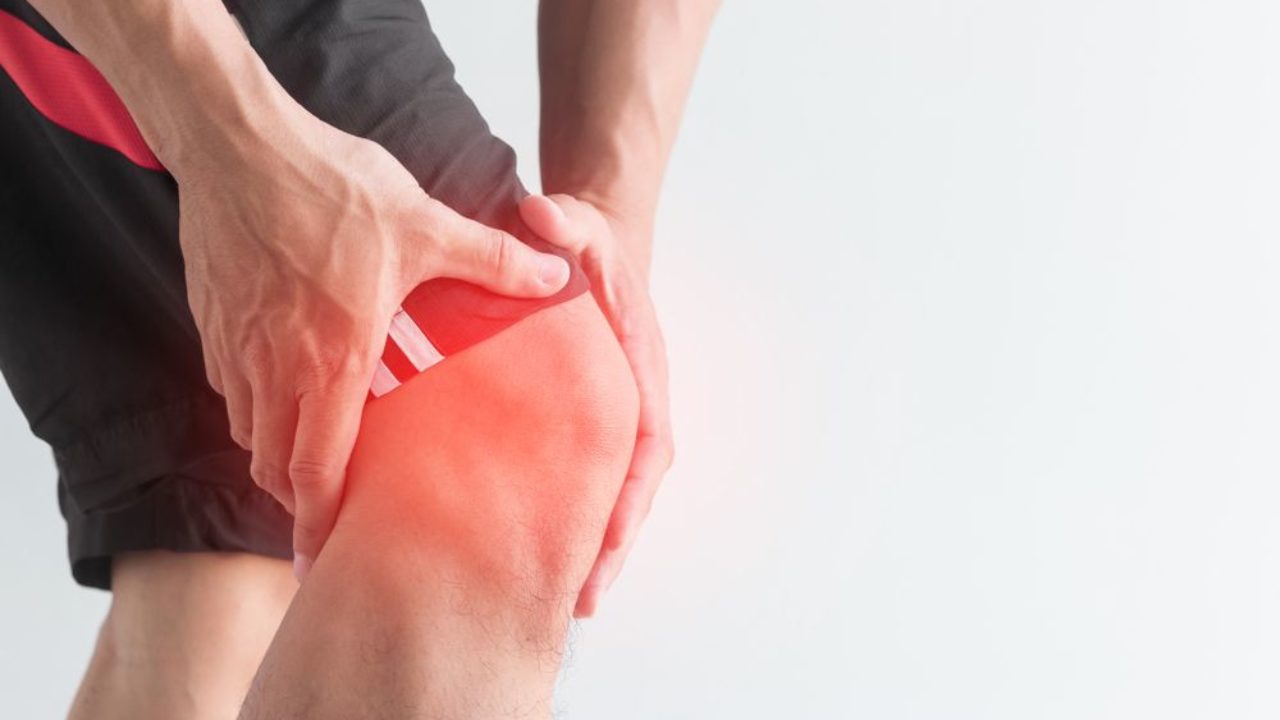
If your child is active and starting to complain about pain just below the kneecap, especially during sports, there’s a good chance you’re dealing with Osgood-Schlatter disease.
Despite the intimidating name, it’s actually a very common and manageable condition—especially during growth spurts. Understanding why it happens can help you manage it early and keep your child active.
What Is Osgood-Schlatter?
Osgood-Schlatter is an overuse injury that affects growing adolescents, typically between ages 10–15. It causes pain and tenderness at the tibial tuberosity—the bony bump just below the kneecap where the patellar tendon attaches.
It’s most common in teens who participate in:
- Soccer
- Basketball
- Volleyball
- Track and field
- Hockey
Any sport involving running, jumping, or quick changes in direction can contribute.
Why Growth Spurts Play a Big Role
The key reason Osgood-Schlatter develops during adolescence comes down to a mismatch between bone growth and muscle flexibility.
1. Bones Grow Faster Than Muscles Can Adapt
During a growth spurt, the femur (thigh bone) and tibia (shin bone) can lengthen rapidly.
Muscles—especially the quadriceps—don’t always keep up at the same rate.
This creates increased tension through the patellar tendon, which connects the quadriceps to the shin.
2. Increased Pull on the Growth Plate
In adolescents, the area where the patellar tendon attaches is still developing.
This region (the tibial tuberosity) is softer and more vulnerable than mature bone.
When tight quadriceps repeatedly pull on this area:
- It creates irritation
- Leads to inflammation
- Causes the characteristic pain and bump
3. Repetitive Stress From Sport
Running, jumping, and sprinting amplify the load through the knee.
With each contraction of the quadriceps:
- The patellar tendon pulls on the tibial attachment
- Repetitive strain builds up over time
Without enough recovery or proper mechanics, irritation accumulates.
4. Movement and Mechanical Factors
Growth doesn’t just affect length—it can also affect coordination and control.
Teens may temporarily experience:
- Reduced hip stability
- Poor landing mechanics
- Tight hips and hamstrings
- Changes in posture
These factors can increase stress on the knee and make symptoms worse.
Common Signs to Watch For
- Pain just below the kneecap
- Tenderness when pressing on the bump below the knee
- Pain during or after activity
- Discomfort with kneeling
- Tightness in the thighs
Symptoms often come and go depending on activity levels.
The Good News: It’s Temporary
Osgood-Schlatter is a self-limiting condition, meaning it usually resolves as growth plates mature.
However, without proper management, symptoms can linger for months—or even years—and limit participation in sports.
How to Manage It Effectively
1. Load Management (Not Full Rest)
Stopping all activity isn’t always necessary.
Instead:
- Modify intensity
- Reduce frequency if needed
- Avoid pushing through sharp pain
2. Improve Flexibility
Targeted mobility work can reduce tension through the knee:
- Quadriceps
- Hip flexors
- Hamstrings
3. Build Strength and Control
Improving strength—especially at the hips and core—helps reduce stress on the knee.
Focus areas include:
- Glutes
- Hip stabilizers
- Controlled movement patterns
4. Address Mechanics
How your child moves matters just as much as how much they move.
Improving:
- Running mechanics
- Jumping and landing control
- Overall coordination
can significantly reduce irritation.
How Osteopathy Can Help
Osteopathic treatment focuses on the whole body—not just the knee.
Care may include:
- Improving hip, knee, and ankle mobility
- Reducing muscle tension in the quadriceps and surrounding tissues
- Addressing movement patterns contributing to overload
- Guiding safe return to sport
The goal is to keep your child active while minimizing strain on the developing knee.
When to Seek Help
Consider an assessment if:
- Pain is persistent or worsening
- Activity is becoming limited
- The knee is increasingly sensitive
- Symptoms are affecting performance or confidence
Final Thoughts
Osgood-Schlatter is one of the most common causes of knee pain in active teens—and one of the most misunderstood.
It’s not just about “growing pains.” It’s about how the body adapts to rapid change.
With the right approach, most teens can continue participating in the sports they love—while reducing pain and preventing longer-term issues.
Need Help Managing Knee Pain?
If your child is dealing with ongoing knee pain during sports, an osteopathic assessment can help identify the underlying mechanical factors and create a plan for recovery.
Early management makes a big difference—not just in reducing pain, but in keeping them active and confident.