When is the best time to stretch?
When it comes to optimizing performance and preventing injuries, one of the most common questions people ask is: should I stretch before or after sport or activity? The short answer is — both. However, the type of stretching and your timing matter. Let’s break down the benefits of each and how to make stretching more effective with manual therapy techniques like osteopathy and Fascial Stretch Therapy (FST).
Stretching Before Activity: Prepare Your Body to Move
Before any sport or physical activity, the goal is to warm up your muscles and joints, increase blood flow, and improve mobility. This is where dynamic stretching comes in.
Dynamic stretches involve controlled, movement-based exercises that mimic the activity you’re about to do — such as leg swings before running, arm circles before swimming, or hip rotations before squats.
They:
- Increase heart rate and circulation
- Activate muscle groups
- Improve range of motion
- Reduce the risk of strain or pull injuries
Avoid long, static holds before your workout — these can temporarily reduce muscle power and performance.
Example pre-activity stretches:
- Walking lunges (for hips, quads, and hamstrings)
- Arm swings (for shoulders and upper back)
- Torso twists (for core and spine mobility)
Stretching After Activity: Recover and Restore
After exercise, your muscles are warm and more pliable, making it the ideal time for static stretching. This type of stretching involves holding positions for 20–60 seconds to lengthen the muscles and fascia.
Static stretching helps to:
- Reduce muscle tension and soreness
- Improve flexibility and recovery
- Support healthy posture and alignment
- Calm the nervous system and aid relaxation
Example post-activity stretches:
- Hamstring or calf stretches after running
- Chest and shoulder stretches after upper-body workouts
- Hip flexor and glute stretches after cycling or field sports
Focus on the Muscles You Use Most
Stretching should target the muscles and joints specific to your sport or activity.
For instance:
- Runners: hamstrings, calves, hip flexors
- Swimmers: shoulders, chest, thoracic spine
- Cyclists: quads, glutes, lower back
- Lifters: hips, pecs, lats
By tailoring your stretching routine to your activity, you improve performance and decrease the risk of overuse injuries.
How Manual Therapy Enhances Flexibility and Recovery
Incorporating manual therapy techniques — like osteopathy and Fascial Stretch Therapy (FST) — can take your flexibility, mobility, and recovery to the next level.
Manual osteopathy helps identify and release joint restrictions, improve alignment, and restore proper movement patterns. This not only enhances how your body responds to stretching but also reduces the chance of recurring tension or imbalance.
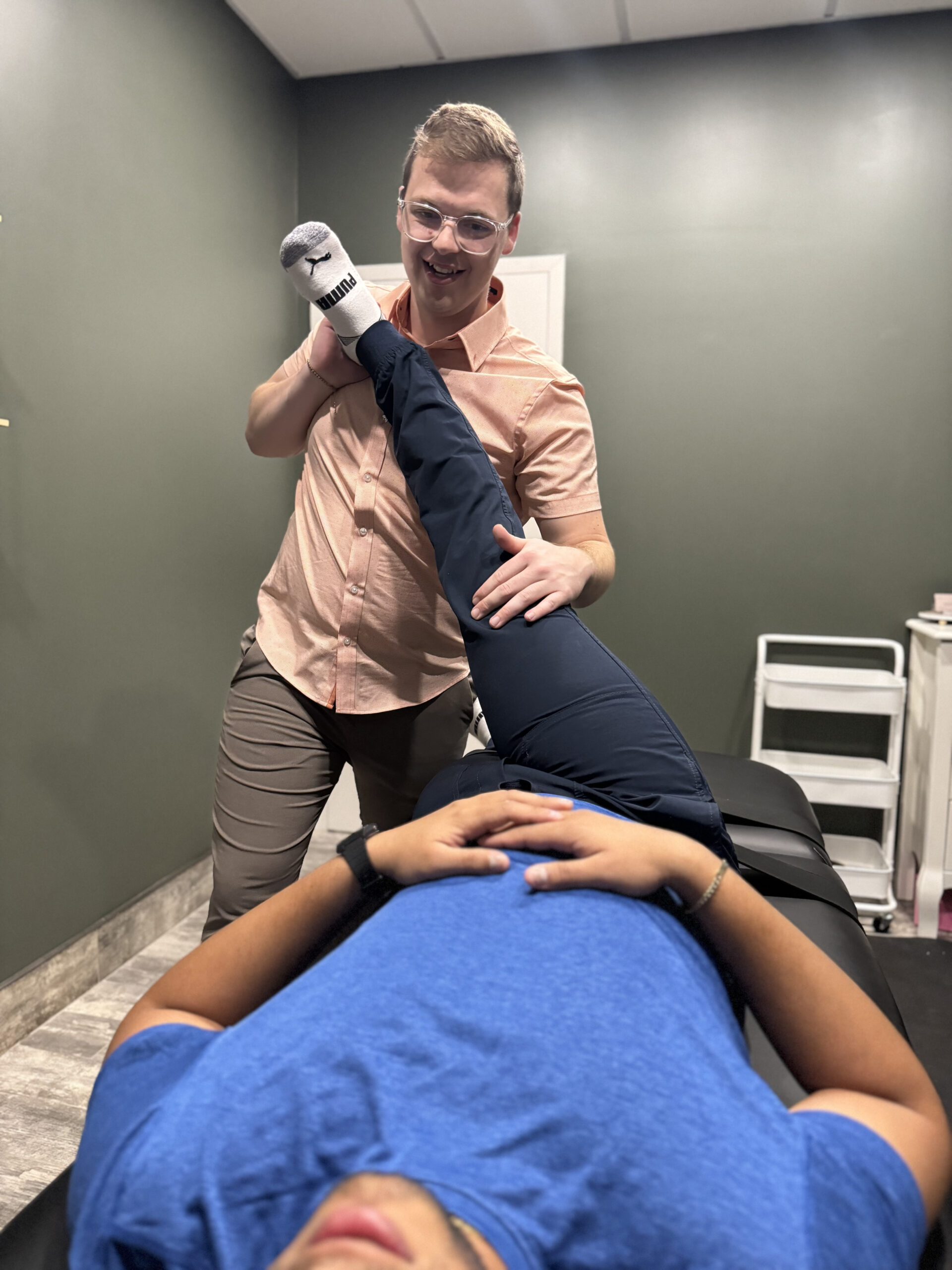
Fascial Stretch Therapy (FST) focuses on the connective tissue (fascia) that surrounds muscles and joints. It uses gentle, assisted movements to improve flexibility, circulation, and overall performance. Athletes often notice immediate improvements in range of motion and recovery after treatment.
Together, these therapies help:
- Optimize how your body moves
- Decrease stiffness and pain
- Enhance muscle recovery
- Support long-term mobility and performance
The Takeaway
So, should you stretch before or after sport or activity?
Do both — but with purpose.
Use dynamic stretching before to prepare your body and static stretching after to recover and restore. When combined with manual therapy, you can maintain healthy movement, prevent injury, and perform at your best.
Looking to improve your flexibility, performance, or recovery?
Book an appointment for Osteopathy or Fascial Stretch Therapy to support your training and overall movement health.