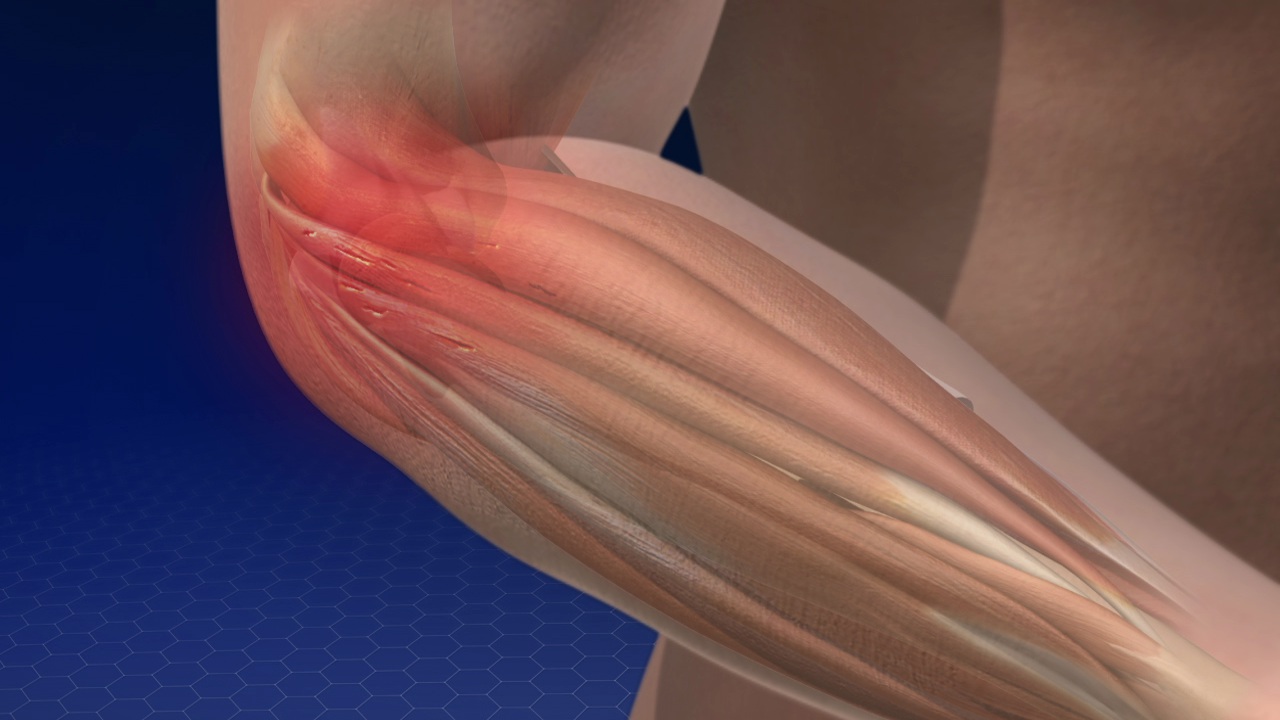
A common musculoskeletal condition that affects people of all ages, especially those who engage in repetitive movements or strenuous physical activities. Whether you’re an athlete, an office worker, or someone simply dealing with daily wear and tear, tendinitis can significantly impact your quality of life.
What is Tendinitis?
Tendinitis refers to the inflammation or irritation of a tendon — the thick, fibrous cords that attach muscle to bone. It commonly affects areas such as the:
- Shoulder (rotator cuff tendinitis)
- Elbow (tennis or golfer’s elbow)
- Wrist
- Knee (jumper’s knee)
- Achilles tendon
Common Symptoms of Tendinitis:
- Pain and tenderness near a joint
- Swelling
- Limited range of motion
- Stiffness, especially in the morning or after activity
Causes of Tendinitis
Several factors can contribute to the development of tendinitis, including:
- Repetitive movements (e.g., typing, sports, lifting)
- Poor posture or biomechanics
- Overuse or sudden increase in activity
- Aging and natural tendon degeneration
- Incorrect exercise technique
Left untreated, tendinitis can become chronic, leading to more serious conditions like tendinosis or even tendon rupture.
The Role of Osteopathy in Treating Tendinitis
Osteopathy is a holistic form of manual therapy that focuses on the body’s musculoskeletal system. Osteopathic treatment aims to restore balance, improve circulation, and promote the body’s natural healing processes — making it an ideal approach for treating tendinitis.
How Osteopathy Can Help:
- Pain Relief
Through gentle manipulation, stretching, and soft tissue techniques, manual osteopaths can reduce inflammation and relieve pain in the affected tendon. - Improved Mobility
Tendinitis often leads to stiffness and restricted movement. Osteopathic treatment can help restore flexibility and range of motion in the joints and surrounding muscles. - Addressing the Root Cause
Rather than just treating symptoms, osteopathy looks at the entire body to identify and correct underlying issues like posture imbalance, gait abnormalities, or muscle weakness that may contribute to tendinitis. - Enhanced Circulation and Healing
Osteopathic techniques stimulate blood flow and lymphatic drainage, supporting the healing of damaged tendons and reducing recovery time. - Prevention of Recurrence
Manual osteopaths provide guidance on posture correction, ergonomic adjustments, and tailored exercises to prevent future episodes of tendinitis.
What to Expect During Osteopathic Treatment for Tendinitis
An osteopathic session typically begins with a full-body assessment. Your practitioner will evaluate not only the affected area but also other related parts of the body. Treatment may include:
- Manual therapy (mobilisation, massage, stretching)
- Postural advice
- Exercise recommendations
- Lifestyle modifications to reduce strain on the tendon
Osteopathy is a drug-free, non-invasive, and safe approach to managing tendinitis, often working well alongside conventional treatments like physiotherapy or medication when necessary.
Final Thoughts: Is Osteopathy Right for You?
If you’re struggling with persistent pain, reduced mobility, or recurring inflammation from tendinitis, osteopathy could be a powerful part of your recovery plan. By addressing not just the symptoms but the root causes, osteopathy promotes long-term healing and helps prevent further injury.
Consult with a qualified manual osteopath to discuss a personalized treatment plan tailored to your condition.